

Project Overview
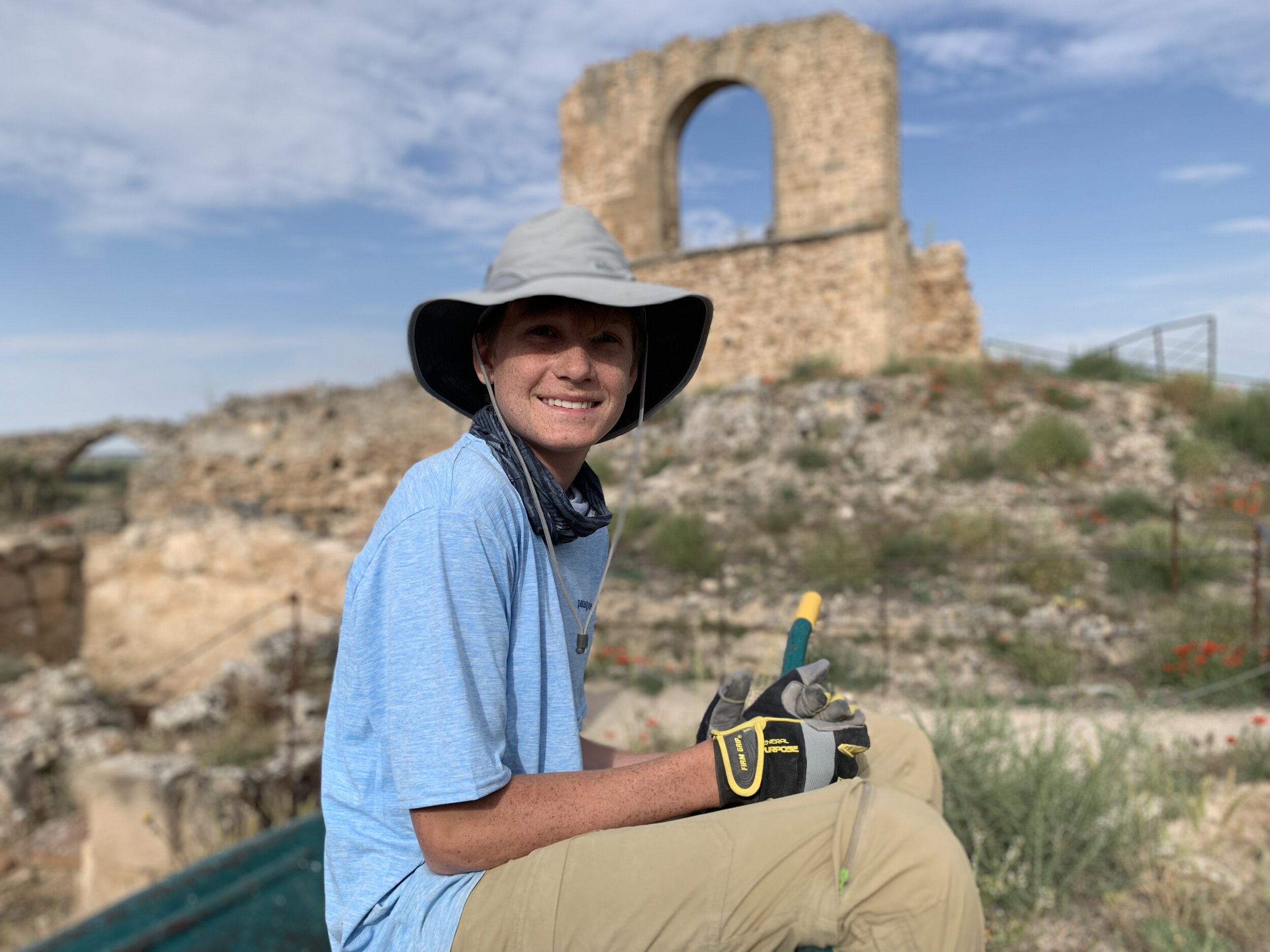
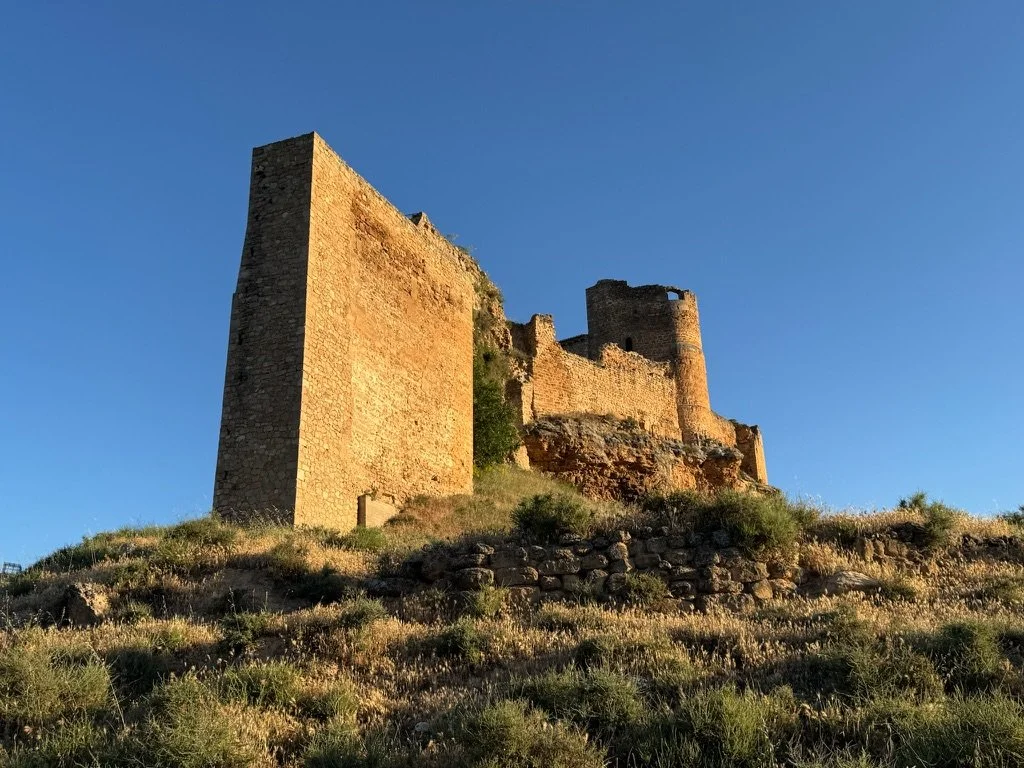
The Castle of Zorita does not appear in many guidebooks. The city of Zorita and its 85 permanent residents is located about 1.5 hours by car to the east of Madrid in the Guadalajara province The village is a collection of rustic houses that sits at the foot of a plateau, crowned by the castle. The views are endless plains and hills littered with wheat fields and olive groves.
The castle, said to have never been conquered by force, was built in the beginning of the 9th century as a Moorish fortress for Mohammed I of the Omayyad Dynasty of Cordoba. According to the Persian physician and writer Al-Razi, the Moors used the stones from the nearby abandoned Visigothic city of Rec opolis to construct the walls. A document from 926 says the castle was a strategic site during a revolt against the caliph Abderraman III. In 1085, the castle was handed over to Alfonso VI, king of Castilla, Leon, and Galicia, by the ruler of Cordoba as part of a dowry to marry Princess Zaida (then age 12).
It passed to the Almoravid Dynasty (a Berber clan from Marrakesh) in the 11th century, but Alfonso VII reclaimed the castle as part of a treaty in 1124.
In 1174, the castle was given to the Order of Calatrava, whose leader, Martin Perez de Siones, transformed it into a proper war machine, full of soldiers, knights, and weaponry. The Order was founded only 17 years earlier by a group of Cistercian monks who took up arms to defend the original Calatrava Castle from the Moors (something the Templars failed to do). Zorita became the Order’s headquarters from the end of the 12th to the beginning of the 13th centuries.
The Duke of Pastrana acquired the castle in 1565 and renovated it to move in his family. It would be past down to subsequent generations of nobles until the 19th century. In 1994, the last owner of the castle, unable to pay for the necessary restoration work to keep the castle standing, sold it to the Zorita town hall for less than a penny.
Dates
May 29 - June 12, 2027
Civilization
Medieval Spain
Fees
$6850
Fees include:
- Full Room and Board
- Fieldwork training
- Seminars and workshops
- Excursions and other activities
- Medical Insurance
- Roundtrip airfare from Charlotte
- Application fee
- Administrative, site preservation, and artifact analysis costs
Fees do not include:
- Airport meals
- Any spending on snacks or souvenirs
Eligibility
This project will be available for up to 18 students per session currently enrolled in 8th to 12th grade who are in good standing at their school.
History
AFAR was the first team to embark on a proper archaeological survey and study of the castle. Aside from renovations and reconstructions prior to the 19th century, the town of Zorita has worked to preserve the site through the restoration of an archway in 1973 and the expenditure of $1 million on an emergency project to reinforce falling walls, and restore the gateway arches and chapel.
Archaeological Focus
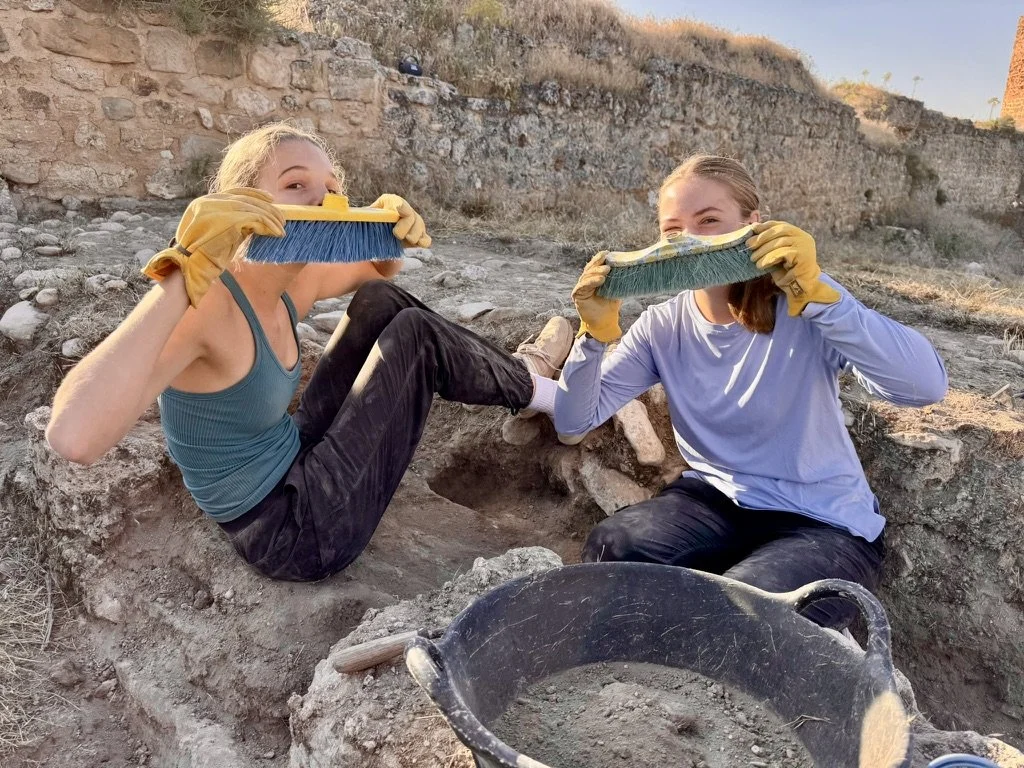
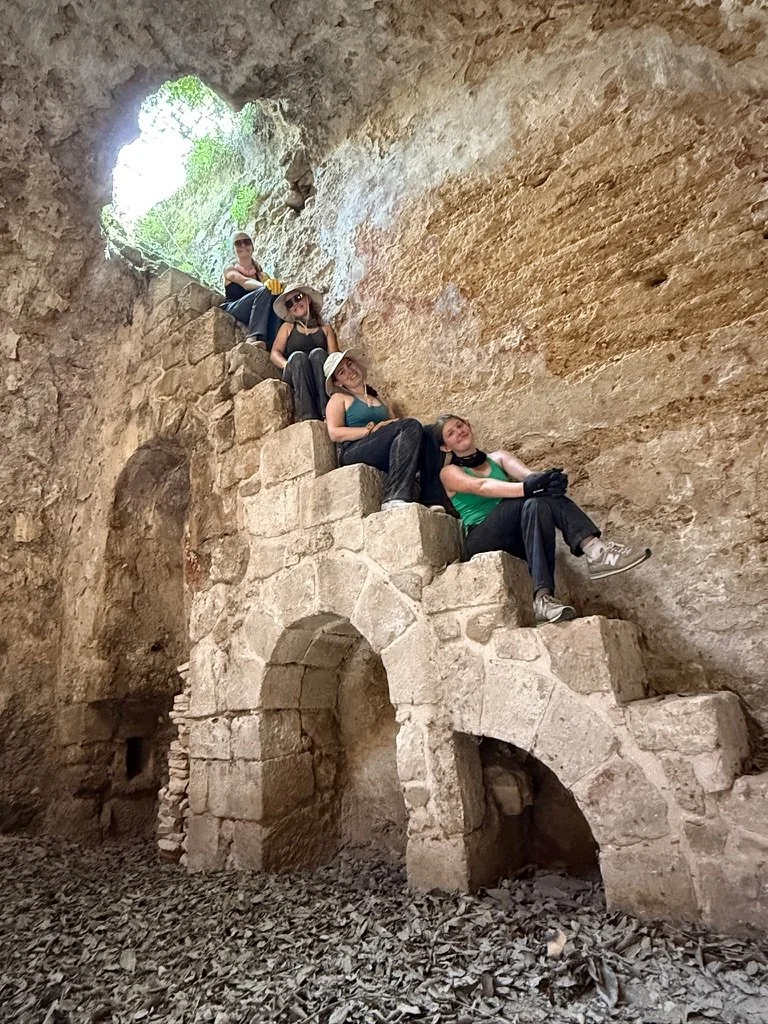
In 2025, the investigations in the castle will focus on two areas. The first one, called Area 7, is located East of the big room covering the castle’s cistern. During earlier research campaigns, the team discovered two of the walls enclosing this area and did a great job exposing the fallen walls and the decorative plaster covering this room from the final moments of the castle’s life some 700 years ago. Now that the hardest work has been done, we will remove all the remaining big pieces of plaster and continue searching for the beautiful decorations while we push to excavate to the floor level. Sealed by the fallen walls for centuries, we will uncover everything the last inhabitants of the castle left behind.
The second area (6), is located between the castle entrance and the cistern. During some restoration work, a small crack opened close to the cistern. We eagerly anticipated the next summer when we could make a test trench to investigate the area. We were hoping to find a staircase giving access to an underground chamber. Instead, we found a square opening, probably built to give light and air to two hallways and a big round bolted chamber. Last summer we could finally get into the new chamber and the hallways.